M Metal Guitar Lessons

Pillar guide · 10 min · Updated 29 Aug 2026 · v1.1 diagram added

Palm muting and tight rhythm

Quick answer

Rest the side of the picking-hand palm on the strings just in front of the bridge saddles—not on the bridge itself and not in the middle of the string. Pressure is a dimmer, not a switch: enough to shorten sustain into a percussive thunk, not so much that pitch dies or the string chokes.

Key takeaways

Contact point

The useful mute zone is a narrow strip near the bridge. Move toward the neck and you kill the note. Sit on the bridge and you get almost no mute. Find the spot where a low E or drop-tuned string still has pitch but a short tail.
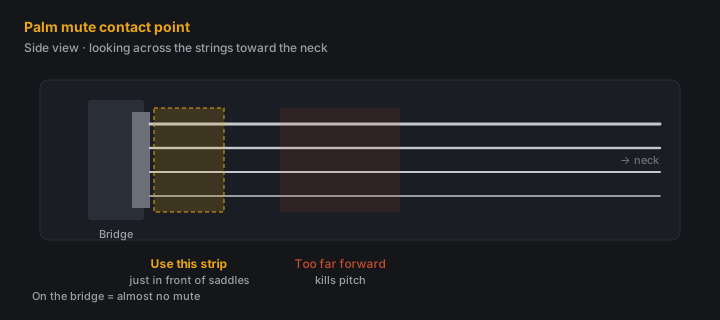
Side view of guitar strings and bridge showing the useful palm-mute strip just in front of the saddles, versus muting too far toward the neck.
The working zone is a few millimeters in front of the saddles—not on the bridge block and not mid-string.

Pressure and attack

High-gain amps amplify leftover string noise. The mute’s job is to stop unused strings and to clip sustain on the notes you do play when the riff calls for chug. Pick attack should stay consistent; do not “dig in” harder to compensate for a wandering palm.

Downpicking vs alternate

Classic thrash tightness often comes from downpicking because every attack has the same direction and the mute can stay planted. That is endurance work, not a moral requirement. Mixed alternate muting works if the palm does not bounce off the strings on upstrokes.

Practical advice

Practice a one-bar chug at 70 BPM against a click until every 8th is the same length. Then add one open chord stab. That transition is the real skill. See why chugs sound muddy.

Common mistakes

Related

Glossary · Alternate picking · Drop tunings · 1-bar metronome protocol · Rhythm hub

Sources: pedagogical consensus from working metal rhythm technique; tone complaints are diagnostic, not lab measurements. Last updated 29 Aug 2026 · Editorial · 10 min